B.sc Radiography and imaging technology Course Details College Details
B.sc Radiography and Imaging Technology : Course Details , Eligibility , Admission Process ,Syallabus , Jobs , Salary , Higher Studies 2025
B.Sc. Radiography and Imaging Technology Course Highlights:
- Course Name: B.Sc. Radiography and Imaging Technology
- Duration: 3 to 4 years (varies by institution)
- Level: Undergraduate
- Eligibility: 10+2 with Physics, Chemistry, and Biology (PCB) or Physics, Chemistry, Mathematics, and Biology (PCMB)
- Admission Process: Merit-based or Entrance exam-based
- Mode: Full-time
- Internship: Mandatory clinical internship (6 months to 1 year in most programs)
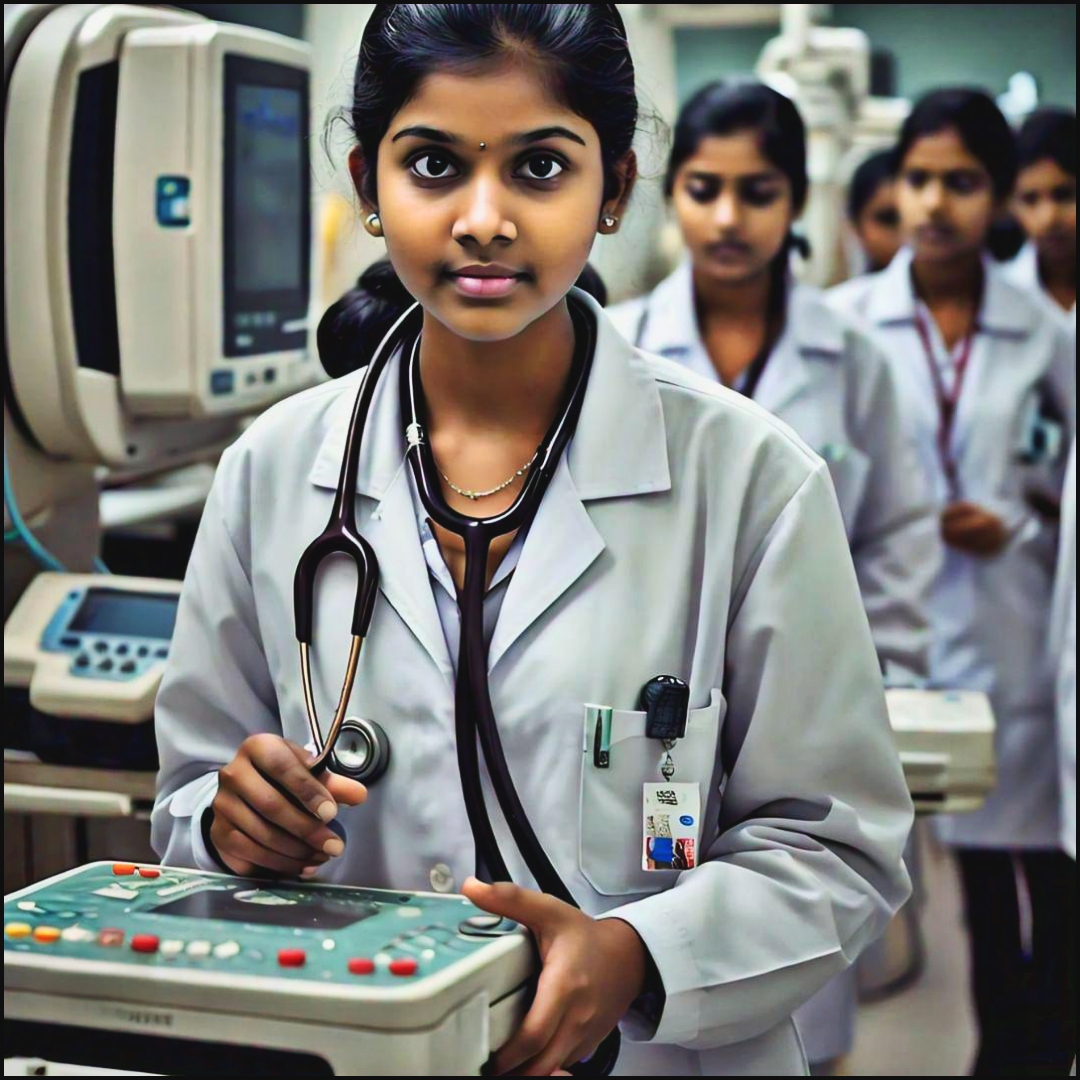
B.Sc. Radiography and Imaging Technology is an undergraduate program focused on training students in the use of advanced imaging techniques and equipment to diagnose and treat medical conditions. The course covers the science of radiography, imaging technology, and medical diagnostics, providing students with theoretical and practical knowledge of the various imaging modalities used in healthcare.
B.Sc. Radiography and Imaging Technology Eligibility Criteria:
- Educational Qualification:
- Candidates must have completed their 10+2 or equivalent with Physics, Chemistry, and Biology/Mathematics from a recognized board.
- A minimum of 50% aggregate marks is usually required in the qualifying exam. Some institutions may have category-based relaxation.
- Age Limit:
- Some institutes may specify a minimum age requirement of 17 years at the time of admission.
B.Sc. Radiography and Imaging Technology Admission Process:
- Entrance Exam (if applicable):
- Some universities or institutions conduct their own entrance exams for admissions (e.g., AIIMS, NEET-UG for certain medical courses).
- Other institutions may offer admission based on merit from the qualifying 10+2 marks.
- Counseling/Interview:
- Shortlisted candidates may be called for counseling or a personal interview to finalize admission.
B.Sc. Radiography and Imaging Technology Syllabus Overview:
The syllabus for B.Sc. Radiography and Imaging Technology is designed to equip students with both theoretical knowledge and practical skills. Here's an outline of the subjects typically covered across the years:
Year 1:
- Human Anatomy
- Study of the human body structure and organs
- Human Physiology
- Understanding body functions and systems
- Radiographic Techniques I
- Introduction to basic radiography and imaging principles
- Biochemistry
- Study of biological and chemical processes in the human body
- Pathology
- Study of diseases and their effects on body tissues
- Basics of Radiation Physics
- Fundamentals of radiation, X-rays, and their interaction with matter
Year 2:
- Radiographic Techniques II
- Advanced imaging techniques (e.g., chest, abdominal, skeletal imaging)
- Radiation Protection and Safety
- Safe handling of radiation equipment and protective measures
- Medical Imaging Physics
- In-depth study of imaging modalities like MRI, CT, and ultrasound
- Clinical Pharmacology
- Medications used in imaging procedures, including contrast agents
- Computed Tomography (CT)
- Principles and applications of CT imaging
- Radiographic Equipment Maintenance
- Care and maintenance of radiographic machines
Year 3:
- Magnetic Resonance Imaging (MRI)
- Detailed study of MRI technology and its medical applications
- Ultrasound Imaging
- Principles of ultrasound and its use in diagnostic imaging
- Interventional Radiology
- Minimally invasive diagnostic and therapeutic procedures
- Nuclear Medicine and PET
- Use of radioactive substances in medical diagnosis and therapy
- Radiographic Techniques III
- Specialized imaging techniques and applications
- Quality Control in Imaging
- Ensuring the quality and accuracy of diagnostic images
Clinical Training/Internship:
- In the final year or after completing the theoretical part of the course, students undergo a clinical internship (usually 6 to 12 months) in hospitals or diagnostic centers. During this period, they work under the supervision of experienced radiologists and technologists to gain hands-on experience with imaging equipment like X-rays, CT, MRI, and ultrasound machines.
Skills Acquired:
- Expertise in handling advanced medical imaging machines (X-ray, MRI, CT, ultrasound, etc.)
- Knowledge of radiation safety and protection protocols
- Ability to interpret medical images and assist doctors in diagnostic processes
- Patient care and communication skills
- Maintenance and troubleshooting of imaging equipment
B.Sc. Radiography and Imaging Technology Job Opportunities:
Graduates of B.Sc. Radiography and Imaging Technology have diverse job opportunities in healthcare. Some of the key employment areas include:
- Hospitals (Government and Private): Working in radiology departments, operating diagnostic equipment.
- Diagnostic Imaging Centers/Clinics: Private centers specializing in imaging services.
- Healthcare Institutions: Providing imaging services in outpatient settings.
- Research and Development: Working in the field of medical imaging technologies.
- Educational Institutions: As teaching faculty or instructors in radiography and imaging courses.
B.Sc. Radiography and Imaging Technology Job Roles:
- Radiographer/Radiologic Technologist
- MRI Technician
- CT Scan Technologist
- Ultrasound Technician
- X-ray Technologist
- Interventional Radiology Technologist
- Radiology Assistant
- Application Specialist in Radiology Equipment Companies
B.Sc. Radiography and Imaging Technology Salary:
- The starting salary for a B.Sc. Radiography and Imaging Technology graduate typically ranges from INR 2.5 lakhs to INR 6 lakhs per annum, depending on the role, experience, and location.
- With experience, technologists can earn higher salaries, especially in specialized roles like MRI or CT technologists.
B.Sc. Radiography and Imaging Technology Higher Studies:
After completing B.Sc. Radiography, students can pursue higher studies for better career prospects:
- M.Sc. in Radiology/Radiography and Imaging Technology
- Postgraduate Diploma in Advanced Imaging Techniques
- M.Phil./Ph.D. in Medical Imaging or Radiology
B.Sc. Radiography and Imaging Technology is a promising course for those interested in healthcare, diagnostics, and medical technology, offering a range of career opportunities in both clinical and academic fields.