BSc Cardiac Technology Course Details College Details
BSc in Cardiac Technology: Course, Admission, Syllabus, Top College, Jobs, Scope 2025
The Bachelor of Science in Cardiac Technology is an undergraduate program lasting 3 to 4 years. This course equips students with the knowledge necessary for doctors to identify issues related to the heart. Students learn extensively about the heart and the circulatory system. Upon completion of this program, they gain insight into invasive procedures that may be required in emergencies, along with a solid understanding of the cardiovascular system.
To be eligible for the BSc in Cardiac Technology, candidates must have completed their 10+2 education in the science stream from a recognized institution. It is essential to achieve a minimum aggregate score of 55% in 10+2, focusing on Chemistry, Biology, and Physics. Additionally, candidates may need to pass various entrance examinations to secure admission to prestigious colleges. The average course fees range from INR 10,000 to INR 5,00,000.
The admission process for the Bachelor of Science in Cardiac Technology varies among institutions. While some colleges offer direct admission based on merit, others may grant admission based on entrance exam scores. Notable colleges offering this program include Lokmanya Tilak Municipal Medical College in Mumbai, Rajiv Gandhi Paramedical Institute in Delhi, and Geetanjali University in Udaipur.
Pursuing a BSc in Cardiac Technology is undoubtedly a promising career choice, offering attractive salary packages and numerous job opportunities. Graduates of this program can readily secure well-paying positions in both private and government sectors. Notable employers in this field include Fortis Healthcare, AIIMS, Apollo Hospital, among others. According to Payscale, the average annual salary for a Cardiac Technician is approximately INR 5,50,000, with the potential for salary growth as experience increases.
BSc in Cardiac Technology: Key Highlights
FeatureDetails
Course Name
BSc in Cardiac Technology
Course Type
Undergraduate Program
Course Duration
3-4 Years
Examination Type
Semester-Based
Eligibility Criteria
Completion of 10+2 in Science
Admission Process
Entrance Exam / Merit-Based
Course Fee
INR 10,000 to INR 5,00,000
Average Salary
INR 4,00,000 to INR 20,00,000 per annum
Top Recruiting Companies
Fortis Healthcare, Max Super Specialty, AIIMS, Apollo Hospital, BLK Super Specialty, Manipal Hospital, Lilavati Hospital and Research Centre
Job Positions
ICU Assistant, Dialysis Technician, Cardiologist, Cardiovascular Technologist, Nephrology Technologist
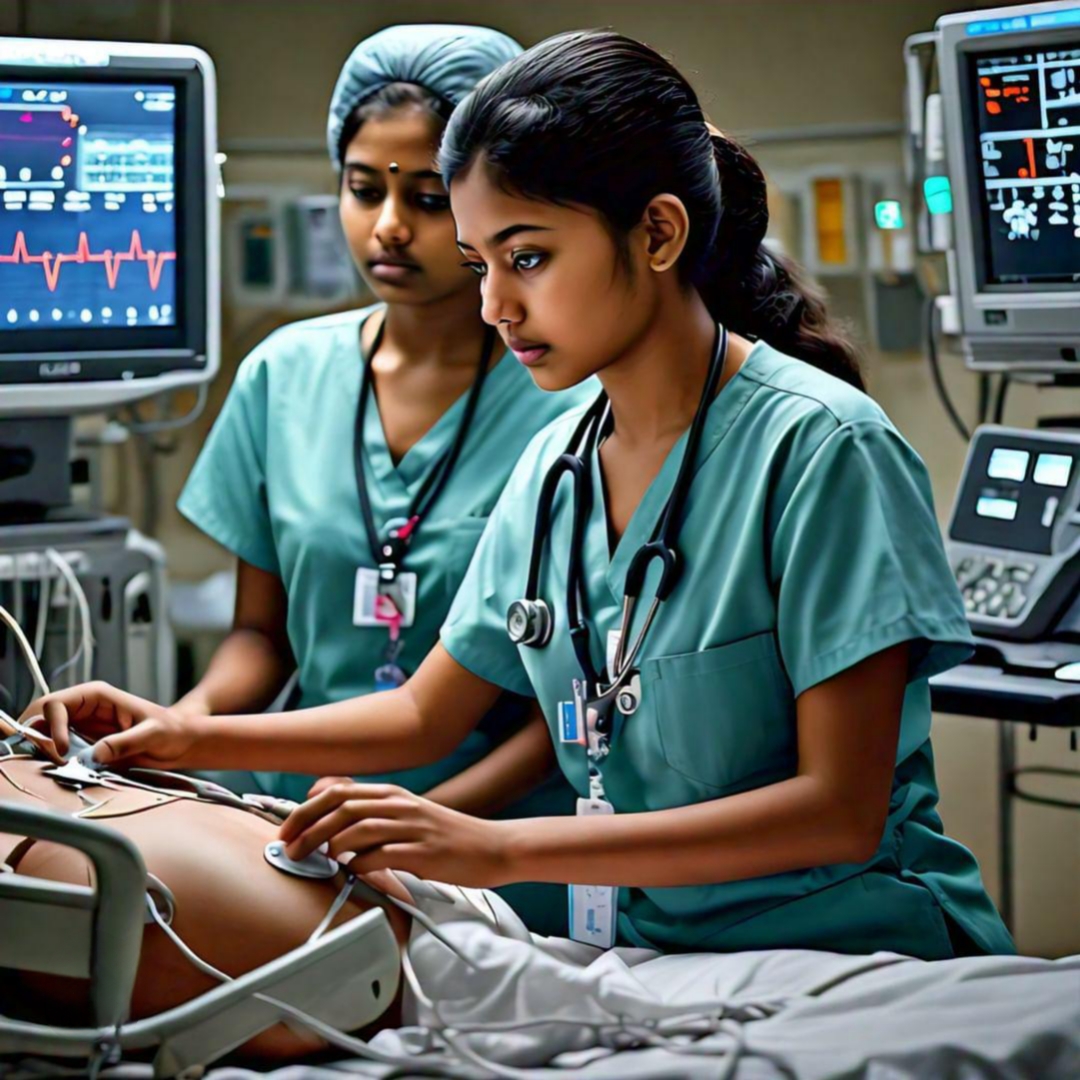
The Bachelor of Science in Cardiac Technology is a program designed to provide students with a comprehensive understanding of the cardiovascular system's technical aspects. This course combines theoretical knowledge with practical skills, preparing students to become cardiac technologists.
As essential members of the healthcare team, cardiac technologists play a crucial role in the diagnosis and treatment of heart conditions. Throughout the program, students explore topics such as cardiac care technology and human anatomy.
Cardiac technologists assist physicians in monitoring and managing patients with heart disorders. Additionally, students are required to observe various cardiac procedures, ensuring they gain the hands-on experience necessary to excel in their future roles.
BSc in Cardiac Technology: Admission Process
The admission process for the Bachelor of Science in Cardiac Technology may vary among institutions. Generally, candidates can expect the following steps:
Enrollment Confirmation: After successful payment and verification, candidates will receive confirmation of their enrollment in the BSc in Cardiac Technology program.
Document Verification: Candidates must provide original documents for verification during the admission process.
Fee Payment: Once offered admission, candidates will need to pay the requisite course fees to secure their seat.
Counseling Process: After the entrance exam results are announced (if applicable), selected candidates may be called for a counseling session, where they can choose their preferred specialization and finalize their admission.
Merit-Based Admission: For colleges that offer merit-based admission, candidates will be selected based on their performance in the qualifying exams (10+2) or entrance exams.
Entrance Exams (if applicable): Some institutions may require candidates to take an entrance exam that tests their knowledge in relevant subjects. Be sure to check if the college you’re applying to has this requirement.
Application Submission: Most colleges have an online application system. Candidates should visit the official website of the chosen college to fill out the application form and submit the required documents, which may include academic certificates and identification proofs.
Eligibility Confirmation: Ensure you meet the eligibility criteria, typically requiring completion of 10+2 in the science stream with subjects like Physics, Chemistry, and Biology, and achieving a minimum aggregate score of around 55%.
BSc in Cardiac Technology: Eligibility Criteria
To gain admission to the BSc in Cardiac Technology program, candidates must meet the following requirements:
Educational Qualifications:
- Candidates should have successfully completed their 10+2 education in the Science stream from an accredited institution.
Subject Requirements:
- It is essential for aspirants to have studied Chemistry, Physics, Biology, and English as their core subjects
Minimum Marks:
- A minimum aggregate score of 55% in the 10+2 examination is required for eligibility.
Entrance Examination:
- For admission to several top colleges or universities, candidates may need to pass an entrance exam conducted by the respective institution or a recognized national body.
Admission Process for BSc in Cardiac Technology
To enroll in the BSc in Cardiac Technology program, candidates must meet the eligibility criteria established by the respective colleges and universities. Various institutions admit deserving candidates based on their 10+2 examination scores or through specific entrance exams. Some common entrance exams for this course include NEET, AIIMS, and SSSUTMS.
Merit-Based Admissions
Most colleges in India prioritize merit-based admissions. Candidates must achieve competitive scores in their 10+2 board examinations to gain entry into reputable colleges or universities. Selections are made based on the marks obtained in the 10+2 board exams, followed by the release of a list of selected candidates by the institution.
Entrance-Based Admissions
Certain colleges and universities conduct their own entrance exams for admission into the BSc in Cardiac Technology program. These institutions may also accept results from standardized entrance exams such as NEET, AIIMS, and SSSUTMS.
After successfully passing the entrance exam, candidates may be required to participate in Group Discussion or Personal Interview rounds, followed by document verification. Once all steps are completed, students will be granted admission to the program.
BSc in Cardiac Technology Syllabus
Year 1
Semester 1
- Human Anatomy and Physiology
- Fundamentals of Cardiac Technology
- Medical Terminology
- Basic Mathematics and Statistics
- Introduction to Cardiac Sciences
- Communication Skills
Semester 2
- Pathophysiology of Cardiovascular Disorders
- Pharmacology
- Cardiac Imaging Techniques
- Clinical Skills in Cardiac Technology
- Biochemistry
- Introduction to Research Methodology
Year 2
Semester 3
- Electrophysiology
- Non-Invasive Cardiac Diagnostic Techniques
- Cardiac Surgery and Interventions
- Health Education and Promotion
- Professional Ethics and Law in Cardiac Technology
Semester 4
- Cardiac Rehabilitation
- Invasive Cardiac Procedures
- Advanced Cardiac Life Support (ACLS)
- Echocardiography
- Clinical Practicum I
Year 3
Semester 5
- Cardiac Monitoring and Management
- Advanced Techniques in Cardiac Imaging
- Cardiopulmonary Resuscitation (CPR)
- Project Work
- Clinical Practicum II
Semester 6
- Cardiovascular Pharmacotherapy
- Research Project Presentation
- Internship/Practical Training
- Emerging Technologies in Cardiology
- Professional Development and Placement Preparation
Note
- The syllabus may vary slightly depending on the institution, and additional electives may be available.
- Practical training and clinical internships are essential components of the program to ensure hands-on experience in real-world settings.
Let me know if you need more specific information or details about any particular subject!
Bsc in Cardiac Technology: Job Profiles
Graduates with a Bachelor of Science in Cardiac Technology have a variety of job opportunities in the healthcare sector. Here are some common job profiles for BSc in Cardiac Technology graduates:
Job Profiles
- Responsibilities: Perform diagnostic tests, assist in cardiac procedures, and monitor patients' cardiovascular health.
- Work Environment: Hospitals, clinics, or specialized cardiac care facilities.
Cardiac Technologist
- Responsibilities: Develop and implement rehabilitation programs for patients recovering from heart surgery or heart-related issues.
- Work Environment: Rehabilitation centers, hospitals, and outpatient clinics.
Cardiac Rehabilitation Specialist
- Responsibilities: Conduct echocardiograms to assess the structure and function of the heart.
- Work Environment: Hospitals, diagnostic imaging centers, and cardiology clinics.
Echocardiographer
- Responsibilities: Monitor patients' heart rhythms and report any abnormalities to medical staff.
- Work Environment: Intensive Care Units (ICUs), telemetry units, and emergency departments.
Cardiac Monitor Technician
- Responsibilities: Assist in diagnostic procedures such as angiograms, catheterizations, and stent placements.
- Work Environment: Hospitals and specialized cardiac care facilities.
Cardiovascular Technologist
- Responsibilities: Support clinical trials related to cardiac technologies and devices, ensuring compliance with regulatory standards.
- Work Environment: Pharmaceutical companies, research institutions, and clinical research organizations.
Clinical Research Associate
- Responsibilities: Assist healthcare professionals in providing direct care to cardiac patients, including monitoring vital signs.
- Work Environment: Hospitals, outpatient clinics, and long-term care facilities.
Patient Care Technician
- Responsibilities: Conduct various cardiac tests and assist cardiologists in diagnosing heart conditions.
- Work Environment: Cardiac labs in hospitals or diagnostic centers.
Cardiac Lab Technician
- Responsibilities: Conduct research on cardiovascular diseases and treatment methods, contributing to advancements in cardiac care.
- Work Environment: Research laboratories, academic institutions, and pharmaceutical companies.
Cardiac Research Scientist
- Responsibilities: Provide education and counseling to patients about heart health, lifestyle changes, and rehabilitation.
- Work Environment: Hospitals, community health organizations, and wellness centers.
Skills Required
- Strong understanding of cardiac anatomy and physiology
- Proficiency in diagnostic equipment and technology
- Excellent communication and interpersonal skills
- Ability to work under pressure in a clinical environment
- Analytical and critical thinking skills
Career Growth
As professionals gain experience, they may advance to supervisory or managerial positions, or choose to specialize further in areas such as electrophysiology or cardiac imaging.
Let me know if you need more details on any specific job profile or additional information!
Top recruiters
Graduates with a Bachelor of Science in Cardiac Technology have numerous employment opportunities across various sectors. Here are some of the top recruiters for BSc in Cardiac Technology graduates:
- A prominent healthcare provider in India with a network of hospitals offering various medical services, including cardiology.
Fortis Healthcare
- A leading chain of hospitals in India known for its advanced cardiac care and state-of-the-art facilities.
Max Healthcare
- One of India's premier medical institutions that provides comprehensive cardiac care and research opportunities.
AIIMS (All India Institute of Medical Sciences)
- A well-established healthcare group offering specialized cardiac services and advanced technology for heart treatment.
Apollo Hospitals
- A multi-specialty hospital known for its cardiac care and high-quality medical services.
BLK Super Specialty Hospital
- A leading healthcare provider with advanced cardiac care units and a focus on patient-centered treatment.
Manipal Hospitals
- A renowned hospital offering various medical specialties, including cardiology, with a focus on research and education.
Lilavati Hospital and Research Centre
- A specialized center for cardiac care, known for advanced treatment options and cutting-edge technology.
Fortis Escorts Heart Institute
- A healthcare provider known for affordable cardiac care and advanced surgical techniques in cardiology.
Narayana Health
- A multi-specialty hospital in Mumbai that provides comprehensive cardiac care and innovative treatments.
Kokilaben Dhirubhai Ambani Hospital
Other Potential Employers
- Research Institutions and Laboratories: Organizations focused on cardiac research and technology development.
- Diagnostic Centers: Facilities specializing in cardiovascular diagnostics and imaging.
- Health Insurance Companies: Positions related to cardiac care management and patient education.
- Medical Equipment Manufacturers: Companies involved in producing cardiac devices and technology.
Career Opportunities
The demand for skilled cardiac technologists is growing, and these organizations often seek professionals who can assist in various capacities within their cardiac care teams. Networking, internships, and continuing education can enhance job prospects in this field.
If you have specific interests or need more information on any of these organizations, feel free to ask!
Scope of BSc in Cardiac Technology
The Bachelor of Science in Cardiac Technology opens a wide array of career opportunities for graduates, catering to the growing demand for skilled professionals in the healthcare sector. Here’s a closer look at the scope of this degree:
- Graduates can find employment in various healthcare settings, including:
- Hospitals: Cardiac technologists assist in diagnosing and treating heart-related conditions.
- Nursing Centers: Providing care and support for patients with cardiovascular issues.
- Heart Clinics: Specializing in cardiac care and rehabilitation.
- Diagnostic Centers: Conducting tests like EKGs, echocardiograms, and stress tests.
Diverse Job Opportunities:
- With approximately 80,000 heart patients in need of care and only around 4,000 cardiac technologists, the demand for professionals in this field is significantly high. This gap indicates ample job opportunities for graduates.
High Demand:
- Career growth is often determined by experience, with opportunities to advance into senior positions or specialized roles within cardiology. Technologists can move into roles such as:
- Senior Cardiac Technologist
- Cardiac Care Manager
- Cardiovascular Technologist
- Clinical Supervisor
Career Advancement:
- Graduates may choose to pursue further studies for specialization in areas like:
- MSc in Cardiac Technology
- MSc in Cardiovascular Science
- Postgraduate Diplomas in Cardiology
- Additionally, pursuing a Doctorate can open doors to research and academic positions.
Higher Education:
- Opportunities exist in research institutions focused on cardiovascular technology, where graduates can contribute to advancements in treatment methods and medical devices.
Research and Development:
- With the growing recognition of cardiac health globally, BSc graduates can find opportunities abroad, especially in countries with advanced healthcare systems.
Global Opportunities:
- The skill set acquired in this program allows for versatility, enabling graduates to collaborate with various healthcare professionals, including physicians, nurses, and healthcare administrators.
Interdisciplinary Roles:
Conclusion
A degree in Cardiac Technology not only equips students with the necessary technical skills but also opens up numerous career paths in a rapidly evolving field. With the increasing prevalence of heart diseases, the importance of cardiac technologists will continue to rise, making it a promising career choice for those interested in making a difference in healthcare.
Higher Education Opportunities After BSc in Cardiac Technology
Upon completing a BSc in Cardiac Technology, students have several avenues for further education, which can enhance their expertise and career prospects. Here are some of the key higher education options:
- This program offers advanced knowledge and training in cardiac care, equipping students with specialized skills that are highly sought after in the healthcare sector. It often includes hands-on experience and research opportunities.
MSc in Cardiac Technology:
- A postgraduate diploma provides focused training in specific areas of cardiac technology, enabling graduates to gain practical skills in a shorter duration compared to a master’s degree.
PG Diploma in Cardiac Technology:
- This course delves deeper into the study of heart diseases, treatments, and innovations in cardiology. Graduates can work closely with cardiologists and contribute to patient care and research.
MSc in Cardiology:
- For those looking to become physicians, pursuing an MD in cardiology is a significant step. This program is rigorous and requires a strong commitment, but it opens doors to clinical practice, advanced research, and teaching positions.
MD in Cardiology:
- Graduates can also explore certifications and specialized courses in areas like Interventional Cardiology, Electrophysiology, or Heart Failure Management, which can provide a competitive edge in the job market.
Further Specialization:
Benefits of Higher Education
- Specialization: Higher education allows graduates to specialize in specific areas of cardiac care, making them more valuable to employers.
- Career Advancement: With advanced degrees, graduates can pursue higher-level positions, such as Cardiology Consultants, Clinical Research Coordinators, or even Academic Roles.
- Increased Earning Potential: Specialization often leads to higher salaries. With advanced qualifications, graduates can command better pay packages and enjoy more job security.
Job Market Opportunities
- The demand for specialists in heart-related fields continues to grow, and advanced degrees can significantly enhance employability. Graduates with higher qualifications often find numerous opportunities in hospitals, research institutions, and healthcare facilities, all of which recognize the need for well-trained professionals in cardiology.
Conclusion
Pursuing higher education after a BSc in Cardiac Technology not only enriches knowledge and skills but also expands career possibilities and earning potential in the increasingly vital field of cardiac care. As the healthcare industry continues to evolve, having specialized qualifications will be a key factor in securing lucrative and rewarding positions.