
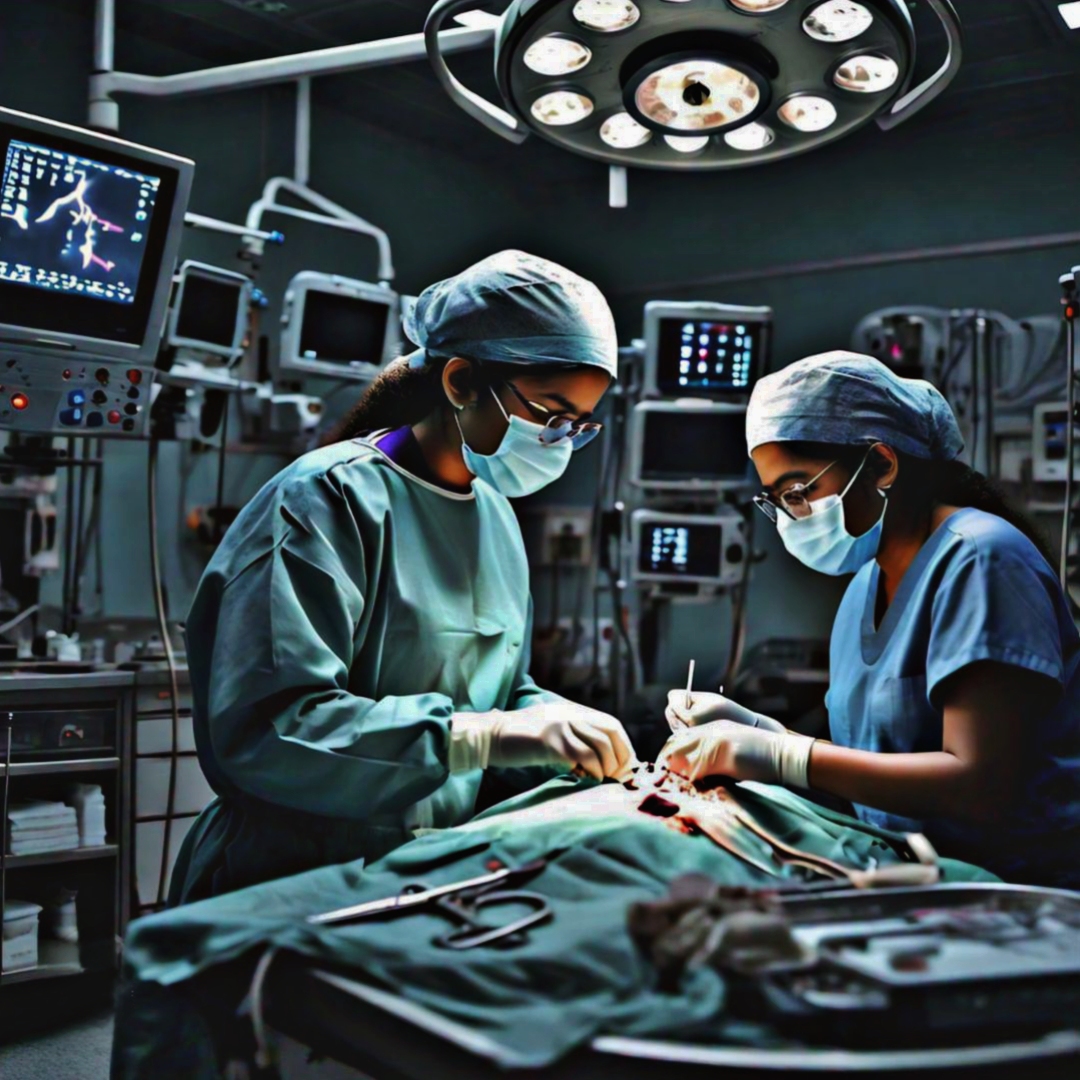
BSc Operation Theatre And Aneasthesia Tech Course Details College Details
BSc Operation Theatre And Aneasthesia Tech Course Details , Eligibliity, Admission Process,Syallabus, Scope, Job, Salary, Top Recruiters 2025
The B.Sc. in Operation Theatre and Anaesthesia Technology is a three-year undergraduate program designed to train students in handling the equipment and procedures in an operation theatre (OT) as well as assisting anesthesiologists during surgeries. Here's an overview of the course:
Course Highlights:
- Course Name: B.Sc. in Operation Theatre and Anaesthesia Technology
- Duration: 3 years (6 semesters)
- Level: Undergraduate
- Mode: Full-time
- Internship/Practical Training: Typically required in hospitals during the final year or as part of the course
What is B.Sc. in Operation Theatre And Anaesthesia Technology
The B.Sc. in Operation Theatre and Anaesthesia Technology is an essential program in the medical field, training students to play a critical role in surgeries and anesthesia procedures. This undergraduate program emphasizes practical knowledge and hands-on training, preparing students for real-life medical situations in high-stress environments like operation theatres (OTs) and intensive care units (ICUs). Here’s a detailed breakdown of the course
Operation Theatre Management:
- Training in setting up and maintaining sterile environments.
- Handling and managing surgical instruments.
- Ensuring the safety of surgical teams and patients by following protocols for sterilization and disinfection.
Anaesthesia Technology:
- Understanding anesthesia machines and various anesthesia techniques.
- Monitoring patient vitals before, during, and after surgery.
- Administering anesthesia under the supervision of an anesthesiologist.
Course Objectives:
- Operation Theatre Support: Preparing the operating room, ensuring equipment and surgical instruments are ready for the procedure.
- Anesthesia Administration: Gaining the ability to assist anesthesiologists in delivering anesthesia, monitoring its effects on patients, and managing equipment.
- Emergency Preparedness: Learning to respond promptly to emergencies like sudden changes in patient vitals during surgery.
- Post-Operative Care: Managing patients' recovery from anesthesia, ensuring they are stable and receiving proper post-surgery care.
Importance of the Course:
The role of OT and anesthesia technologists is vital for the efficiency and success of surgeries. They support the surgical team, monitor the patient’s condition, and ensure smooth functioning in high-pressure environments. With increasing demand for skilled OT professionals in hospitals and healthcare institutions, the scope for these professionals is vast and critical for the healthcare industry.
Practical Skills Acquired:
- Proficiency in operating anesthesia machines and surgical tools.
- Ability to maintain sterile environments and manage OT equipment.
- Skills in monitoring vital signs and providing patient care during surgery.
- Hands-on training for working in emergency situations, including resuscitation techniques.
This course offers graduates numerous opportunities in hospitals, emergency care units, and private surgical clinics, where their expertise in managing operations and anesthesia procedures is highly valued.
BSc Operation Theatre And Aneasthesia Tech Eligibility Criteria:
- Educational Qualifications:
- Candidates must have completed 10+2 (or equivalent) in the science stream with subjects like Physics, Chemistry, and Biology (some colleges may also accept Mathematics).
- Minimum Marks:
- A minimum of 50-60% aggregate marks in the 10+2 exam (varies by institution).
- Age Limit:
- Some institutions may set an age limit of 17 years or older at the time of admission.
- Entrance Exams:
- Some colleges may require students to clear entrance exams conducted at the university or state level, while others may admit based on merit.
BSc Operation Theatre And Aneasthesia Tech Admission Process
The admission process for the B.Sc. in Operation Theatre and Anaesthesia Technology typically involves several steps, which may vary depending on the college or university. Here’s a detailed outline of the admission process:
1. Eligibility Check:
- Candidates must meet the eligibility criteria, which typically includes:
- Educational Qualification: Completion of 10+2 (or equivalent) in the science stream with subjects such as Physics, Chemistry, Biology (and in some cases, Mathematics).
- Minimum Marks: Most colleges require a minimum of 50-60% aggregate marks in the qualifying exam (10+2).
- Age: Some institutions may have an age requirement of at least 17 years.
2. Entrance Exams (if applicable):
- Entrance Exams: Some universities and colleges may conduct their own entrance exams for admission. These exams typically assess students' knowledge in subjects like Physics, Chemistry, and Biology.
- National/State-Level Exams: Some institutions may accept scores from national or state-level entrance exams such as:
- NEET-UG (National Eligibility cum Entrance Test) – Though primarily for MBBS, some institutes may accept NEET scores for paramedical programs.
- Institutional exams conducted by universities (e.g., AIIMS, CMC Vellore).
- Merit-Based Admission: Many colleges offer admission based purely on the candidate's 12th standard marks (merit-based).
3. Application Process:
- Online Application: Most colleges offer an online application form, which can be filled out on the respective institution’s website. It usually requires:
- Personal and educational details.
- Uploading scanned copies of documents such as 10th and 12th mark sheets, ID proof, etc.
- Paying the application fee.
- Offline Application: Some institutions may provide an option for offline applications, where candidates can purchase the application form and submit it along with the necessary documents.
4. Document Verification:
After submission, the application and attached documents will be verified. Documents required usually include:
- 10th and 12th mark sheets and certificates.
- ID proof (Aadhar, passport, etc.).
- Transfer Certificate (from the previous institution).
- Caste certificate (if applying under a reserved category).
- Entrance exam scorecard (if applicable).
5. Merit List/Entrance Exam Result:
- If the admission is merit-based, a merit list is generated based on the 12th-grade marks, and students are shortlisted for counseling or direct admission.
- For entrance exam-based admission, the results of the exam are released, and a rank list is prepared.
6. Counseling (if applicable):
- Some universities/institutions hold counseling sessions after the merit list or entrance exam results are released. Candidates are called for counseling sessions, where they may need to:
- Select their course preference.
- Submit documents for verification.
- Confirm their seat by paying an initial fee.
7. Final Admission:
- Once the seat is allocated, candidates must complete the final steps for admission, which include:
- Paying the admission fee.
- Submitting all required original documents.
- Completing any remaining formalities required by the institution.
8. Internship Requirements:
- Some institutions require students to sign agreements related to the internship, which usually takes place during the final year or after the academic coursework.
Important Dates:
- Application Start Date: Varies, typically between April and June.
- Entrance Exam Date: Depends on the exam (for example, NEET is usually in May).
- Merit List/Counseling Dates: Typically announced in July or August.
- Course Commencement: Generally in August/September.
Top Colleges Offering B.Sc. in Operation Theatre and Anaesthesia Technology:
- All India Institute of Medical Sciences (AIIMS)
- Christian Medical College (CMC), Vellore
- Armed Forces Medical College (AFMC), Pune
- Manipal Academy of Higher Education
- JIPMER, Puducherry
- Amrita Institute of Medical Sciences, Kochi
Admission Tips:
- Ensure you meet the eligibility criteria before applying.
- Keep track of important deadlines for application submissions and entrance exams.
- If you're applying to multiple colleges, prepare well for any required entrance exams.
- Be ready with all necessary documents during the admission process.
The admission process may differ slightly between colleges, so it’s advisable to check the specific guidelines of the institution you're applying to.
BSc Operation Theatre And Aneasthesia Tech Syallabus
The B.Sc. in Operation Theatre and Anaesthesia Technology syllabus is designed to provide students with a strong foundation in the technical and practical aspects of operating theatre procedures, anesthesia administration, and patient care. The curriculum is divided into theoretical knowledge and extensive practical training, including internships in real hospital environments. Below is a general overview of the syllabus structure:
Year-Wise Breakdown:
Year 1:
Focuses on fundamental medical sciences and introductory courses related to healthcare and operation theatre management.
- Basic structure and functions of the human body.
- Detailed study of body systems like the cardiovascular, respiratory, and nervous systems.
Human Anatomy
- Understanding of human body functions.
- Study of blood circulation, digestion, excretion, and reproduction.
Physiology
- Basic biochemical principles.
- Enzymes, carbohydrates, proteins, lipids, and nucleic acids.
Biochemistry
- Overview of OT settings.
- Roles of OT personnel.
- Introduction to surgical instruments.
Introduction to Operation Theatre
- Understanding ethical practices in healthcare.
- Laws governing medical practices and patient rights.
Medical Ethics and Law
- Development of professional communication skills, both verbal and written.
English and Communication Skills
- Basic knowledge of computer systems.
- Usage in healthcare settings for record-keeping and patient management.
Computer Applications
Year 2:
Focuses more on the technical aspects of anesthesia, surgical procedures, and equipment handling.
- Study of drugs used in anesthesia and their effects on the body.
- Types of anesthesia (general, regional, local).
Pharmacology
- Study of diseases and their effects on body tissues and organs.
Pathology
- Understanding of microorganisms, infection control, and sterilization techniques.
Microbiology
- Introduction to anesthesia machines and devices.
- Techniques for administering anesthesia under supervision.
Anaesthesia Technology
- Hands-on training in OT procedures.
- Pre-operative and post-operative patient care.
- Management of OT equipment and sterilization.
Clinical Practice in Operation Theatre
- Study of physiological changes during surgery.
- Understanding pathophysiology in different patient conditions.
Applied Physiology and Pathophysiology
- Overview of common surgeries.
- Detailed study of surgical instruments and their usage.
Introduction to Surgery and Surgical Instruments
Year 3:
Emphasizes advanced concepts in operation theatre technology, anesthesia management, and emergency procedures.
- Study of advanced anesthetic procedures.
- Complications related to anesthesia and their management.
Advanced Anaesthesia Techniques
- Assisting in various surgeries such as cardiovascular, neurosurgery, and orthopedic surgery.
- Emergency surgery management.
Surgical Procedures
- Handling anesthesia machines, ventilators, and monitoring devices.
- Understanding the use of ECG, pulse oximetry, and blood pressure monitors.
Anesthesia Equipment and Patient Monitoring
- Care of patients in the ICU.
- Monitoring critically ill patients and managing emergencies.
Critical Care Management
- Importance of maintaining sterility and infection control in the OT.
- Ensuring patient safety during surgeries.
Patient Safety in Operation Theatre
- Extensive real-time training in hospitals and operation theatres.
- Participation in surgical procedures and anesthesia administration under supervision.
Practical Training and Internship
- Training in handling medical emergencies, including CPR and trauma care.
Disaster Management and First Aid
Final Internship (6 months to 1 year):
- During the internship, students work in hospital operation theatres, ICUs, and critical care units to gain real-life experience. They assist in surgeries, administer anesthesia under supervision, and manage post-operative care. This internship provides valuable practical exposure, making students ready for professional roles in hospitals and surgical centers.
Key Practical Topics Covered:
- Pre-Operative and Post-Operative Patient Care.
- Anesthesia Procedures and Complications.
- Sterilization and Disinfection Protocols.
- OT Equipment Maintenance and Troubleshooting.
- Monitoring of Vital Signs During Surgery.
- Management of Critical Care Units (ICU/CCU).
- Handling Surgical Emergencies.
Electives (if available):
- Cardiac Surgery: Focus on the operation theatre technology related to cardiovascular procedures.
- Neurosurgery: Assisting in surgeries related to the brain and nervous system.
- Trauma Surgery: Handling critical trauma cases in the emergency room.
Examinations:
- Theory Exams: Written exams covering core subjects.
- Practical Exams: Assessments in operation theatre settings, where students demonstrate their skills in equipment handling, sterilization, and anesthesia administration.
- Viva Voce: Oral examinations to test the understanding of practical applications.
This curriculum equips students with the technical knowledge and practical experience to excel in surgical settings, manage anesthesia procedures, and provide post-operative care, ensuring they are prepared for professional careers in hospitals and medical institutions.
B.Sc. in Operation Theatre and Anaesthesia Technology scope
The B.Sc. in Operation Theatre and Anaesthesia Technology offers promising career prospects due to the increasing demand for skilled healthcare professionals in surgical and anesthesia-related roles. Graduates from this program are well-prepared to work in a variety of healthcare settings, contributing significantly to patient care during surgeries, emergency procedures, and critical care management. Here’s a detailed look at the scope of the course:
Career Opportunities:
- Graduates can work as Operation Theatre Technologists or Anesthesia Technicians in multispecialty hospitals, clinics, or healthcare centers.
- They assist in setting up the operation theatre, managing surgical instruments, handling anesthesia equipment, and monitoring patients during surgery.
- Specialization in surgical procedures means that graduates can find opportunities in specialized surgical centers, including orthopedic, cardiac, neurological, and oncology surgery centers.
- Graduates can work in emergency departments, assisting in critical trauma surgeries and handling anesthesia for emergency cases.
- Professionals trained in this field can work in ICUs or CCUs, assisting in post-operative patient care, monitoring vital signs, and handling anesthesia equipment for critically ill patients.
- Smaller healthcare facilities, such as private clinics and nursing homes, also require skilled technologists for surgical assistance, patient monitoring, and anesthesia management.
- Graduates with experience can pursue teaching opportunities at medical colleges and institutions offering paramedical courses, training future operation theatre and anesthesia technologists.
- Graduates may work with companies that manufacture or supply anesthesia machines, surgical instruments, and monitoring equipment. They can be involved in sales, maintenance, or technical training.
- Graduates may work in medical research to study advancements in surgical procedures, anesthesia techniques, and OT management, contributing to healthcare innovation.
B.Sc. in Operation Theatre And Anaesthesia Technology job rules
The job roles for graduates of B.Sc. in Operation Theatre and Anaesthesia Technology are varied and typically involve working closely with surgical teams, anesthesiologists, and other medical professionals to ensure safe and effective surgical procedures. These roles require a combination of technical skills, knowledge of surgical and anesthesia procedures, and a strong commitment to patient care and safety.
Here are the common job roles and their responsibilities:
1. Operation Theatre (OT) Technician
- Responsibilities:
- Preparing and maintaining the operation theatre before surgeries.
- Ensuring that all surgical instruments and equipment are properly sterilized and arranged.
- Assisting surgeons and nurses during surgeries by passing instruments and maintaining sterile conditions.
- Monitoring equipment and ensuring proper functioning during surgeries.
- Ensuring proper disposal of medical waste after the surgery.
- Cleaning and maintaining the OT after procedures.
- Skills Required:
- In-depth knowledge of surgical instruments and OT protocols.
- Ability to maintain sterile conditions and manage equipment.
- Quick decision-making and calmness under pressure.
2. Anaesthesia Technician
- Responsibilities:
- Assisting anesthesiologists in administering anesthesia to patients before surgeries.
- Preparing and maintaining anesthesia equipment, such as gas machines, ventilators, and monitoring devices.
- Monitoring patients' vital signs during anesthesia (blood pressure, heart rate, oxygen levels, etc.).
- Ensuring proper anesthesia dosage and equipment setup based on patient needs.
- Providing post-anesthesia care, ensuring patients recover safely.
- Reporting any complications during anesthesia to the anesthesiologist.
- Skills Required:
- Knowledge of anesthesia procedures and medication.
- Familiarity with anesthesia machines and monitoring devices.
- Strong attention to detail and ability to monitor vital signs accurately.
3. Surgical Assistant
- Responsibilities:
- Assisting the surgeon directly during the operation by preparing instruments, making incisions, suturing, and retracting tissues.
- Ensuring that all instruments and equipment are functional and sterile during surgery.
- Supporting the surgical team in managing unexpected situations or complications during procedures.
- Skills Required:
- Excellent knowledge of surgical procedures and sterile techniques.
- Strong communication and teamwork skills to work effectively with surgeons and nurses.
- Quick reflexes and the ability to handle high-pressure situations.
4. Intensive Care Unit (ICU) Technician
- Responsibilities:
- Assisting in patient care in the ICU, including monitoring vital signs and managing life-support equipment.
- Handling anesthesia machines and ventilators for critically ill patients.
- Providing critical post-operative care for patients recovering from surgeries.
- Managing emergency situations like cardiac arrests and trauma in critical care units.
- Skills Required:
- Knowledge of ICU equipment and patient monitoring systems.
- Expertise in handling ventilators, ECG machines, and other life-support systems.
- Strong problem-solving skills and ability to manage medical emergencies.
5. Emergency and Trauma Care Technician
- Responsibilities:
- Providing immediate assistance to trauma and accident victims in the emergency department.
- Assisting in emergency surgeries and administering anesthesia under supervision.
- Preparing patients for surgery and stabilizing them in critical conditions.
- Coordinating with surgical teams to ensure smooth transitions between the emergency room and operation theatre.
- Skills Required:
- Ability to handle high-pressure emergency situations.
- Good knowledge of trauma management and emergency care protocols.
- Quick thinking and fast decision-making skills.
6. Anesthesia Consultant (after gaining experience)
- Responsibilities:
- Acting as an advisor or consultant in anesthesia management for surgeries.
- Providing advanced guidance on anesthesia procedures, patient safety, and equipment maintenance.
- Training junior technicians and healthcare staff in anesthesia protocols.
- Skills Required:
- Deep understanding of anesthesia administration and patient monitoring.
- Strong leadership and mentoring abilities.
- Expertise in troubleshooting anesthesia-related complications.
7. Medical Equipment Technician
- Responsibilities:
- Specializing in the maintenance and repair of OT and anesthesia equipment.
- Ensuring that all surgical instruments, anesthesia machines, and monitoring devices are functioning correctly.
- Assisting medical staff in troubleshooting and resolving technical issues during surgeries.
- Performing routine checks and preventive maintenance on medical equipment.
- Skills Required:
- Knowledge of surgical and anesthesia equipment.
- Technical skills in repairing and maintaining medical devices.
- Attention to detail and ability to resolve technical issues quickly.
8. Clinical Instructor or Trainer
- Responsibilities:
- Teaching and training students or junior staff in operation theatre and anesthesia procedures.
- Conducting workshops and seminars to enhance practical knowledge in OT management and anesthesia technology.
- Supervising internships and practical training sessions for students.
- Skills Required:
- Strong communication and teaching skills.
- In-depth knowledge of OT protocols, surgical procedures, and anesthesia management.
- Leadership abilities to manage students and trainees.
9. Research Assistant (in Medical or Healthcare Research)
- Responsibilities:
- Assisting in research related to advancements in anesthesia techniques and surgical procedures.
- Collecting data from surgeries and patient care to contribute to medical studies.
- Assisting in the development of new OT technologies and anesthesia equipment.
- Skills Required:
- Strong analytical and research skills.
- Knowledge of data collection and documentation.
- Ability to contribute to innovation in the medical field.
Work Environment:
- Hospitals (Government and Private)
- Surgical Centers
- Emergency Departments
- ICU and Critical Care Units
- Research Laboratories
- Medical Device Companies
- Educational Institutions
General Skills Required Across All Roles:
- Technical Skills: Knowledge of operation theatre equipment, surgical instruments, and anesthesia technology.
- Attention to Detail: Ensuring all procedures, equipment, and patient care protocols are strictly followed.
- Teamwork and Communication: Working closely with surgeons, anesthesiologists, nurses, and other medical professionals.
- Calm Under Pressure: Ability to function effectively in high-pressure situations, especially during surgeries and emergencies.
- Ethical Practices: Adherence to medical ethics, patient safety, and confidentiality.
Conclusion:
Graduates of B.Sc. in Operation Theatre And Anaesthesia Technology play a critical role in the successful execution of surgeries and patient care in high-stress environments. Their job roles demand a combination of technical expertise, precision, and the ability to work in a collaborative healthcare setting, ensuring that they are valuable assets in the medical field.
B.Sc. in Operation Theatre And Anaesthesia Technology salary
The salary for graduates of B.Sc. in Operation Theatre And Anaesthesia Technology varies depending on several factors, including location, experience, job role, type of healthcare institution, and additional certifications or qualifications. Here’s an overview of the typical salary range for professionals in this field:
Salary Range (India):
- Salary: ₹2.5 to ₹4.5 lakhs per annum
- Job Roles: Operation Theatre (OT) Technician, Anesthesia Technician, Surgical Assistant
- Description: At this stage, graduates typically work under the supervision of senior technologists or medical staff, gaining hands-on experience in operation theatre and anesthesia management.
- Salary: ₹4.5 to ₹6.5 lakhs per annum
- Job Roles: Senior OT Technician, Senior Anesthesia Technician, ICU Technician, Emergency Care Technician
- Description: With a few years of experience, professionals take on more responsibilities, such as leading surgical preparations, managing anesthesia equipment, and working in critical care units.
- Salary: ₹6.5 to ₹9 lakhs per annum (or higher, depending on the institution)
- Job Roles: Operation Theatre Manager, Senior Anesthesia Technologist, Clinical Instructor, Anesthesia Consultant
- Description: At this level, professionals are often responsible for overseeing the operation theatre, managing anesthesia procedures independently, and supervising junior staff. Some may work in specialized surgical centers or ICUs.
- Salary: ₹9 to ₹12 lakhs per annum (or more for specialized or managerial roles)
- Job Roles: Operation Theatre Administrator, Senior Anesthesia Consultant, Hospital Department Head
- Description: Senior professionals may manage entire OT departments, consult on advanced anesthesia techniques, or take on administrative roles in hospitals and surgical centers.
Salary by Location:
- Metropolitan Cities (Delhi, Mumbai, Bangalore, Chennai, Hyderabad): Professionals in larger cities often earn higher salaries due to the demand for healthcare services and the cost of living.
- Entry-Level: ₹3 to ₹5 lakhs per annum
- Mid-Level: ₹5 to ₹7 lakhs per annum
- Senior-Level: ₹7 to ₹10 lakhs per annum
- Smaller Cities and Rural Areas: Salary packages may be slightly lower, but demand for skilled professionals remains high, especially in hospitals or clinics serving large populations.
- Entry-Level: ₹2.5 to ₹4 lakhs per annum
- Mid-Level: ₹4 to ₹6 lakhs per annum
- Senior-Level: ₹6 to ₹8 lakhs per annum
Salary Abroad:
- Gulf Countries (UAE, Qatar, Saudi Arabia):
- Entry-Level: ₹5 to ₹8 lakhs per annum
- Mid-Level: ₹8 to ₹12 lakhs per annum
- Senior-Level: ₹12 to ₹20 lakhs per annum
- USA/Canada:
- Entry-Level: $40,000 to $55,000 per annum
- Mid-Level: $55,000 to $75,000 per annum
- Senior-Level: $75,000 to $100,000+ per annum
Factors Affecting Salary:
- Experience: As professionals gain experience, they become eligible for more senior roles and higher pay.
- Type of Institution: Salaries are generally higher in multispecialty hospitals, private hospitals, and high-end surgical centers compared to smaller clinics and nursing homes.
- Location: Professionals in urban areas and international locations tend to earn more due to higher demand and cost of living.
- Specialization: Technologists working in specialized fields like neurosurgery, cardiac surgery, or trauma care may command higher salaries due to the complexity of the procedures.
- Certifications and Higher Education: Additional certifications or postgraduate degrees (e.g., M.Sc. in Operation Theatre Technology, Anesthesia Technology) can increase earning potential.
Conclusion:
The B.Sc. in Operation Theatre And Anaesthesia Technology offers a rewarding career with a competitive salary structure, particularly for those with experience and specialized skills. The demand for these professionals is rising, especially in advanced surgical and critical care settings, making it a lucrative career path both in India and internationally.
B.Sc. in Operation Theatre And Anaesthesia Technology top recuriters
Graduates of B.Sc. in Operation Theatre And Anaesthesia Technology have various employment opportunities in healthcare facilities. Here’s a list of top recruiters that often hire professionals from this field:
Top Recruiters in India
- Fortis Healthcare: A leading healthcare provider in India with a network of hospitals and clinics.
- Apollo Hospitals: One of the largest healthcare groups offering comprehensive medical services.
- Max Healthcare: Known for advanced healthcare services and technology.
- Manipal Hospitals: A well-established healthcare institution with various specialties.
- Narayana Health: A multi-specialty healthcare provider known for cardiac and critical care.
Hospitals and Healthcare Institutions
- All India Institute of Medical Sciences (AIIMS): A prestigious medical institution offering advanced training and healthcare services.
- Post Graduate Institute of Medical Education and Research (PGIMER): A leading medical and research institution.
- Central Government Health Scheme (CGHS): Provides healthcare services to central government employees and their families.
- State Government Hospitals: Various state-run hospitals across India.
Government Hospitals
- Cure Hospital: Focuses on advanced surgical procedures and critical care.
- Cleveland Clinic India: Provides specialized medical care and has a team of experienced healthcare professionals.
- Care Hospital: Known for providing advanced surgical treatments.
Surgical and Specialty Clinics
- Siemens Healthineers: A global leader in medical technology and services.
- GE Healthcare: Offers medical imaging and monitoring solutions.
- Philips Healthcare: Known for advanced health technology and diagnostic imaging.
- Dräger: Specializes in medical and safety technology, including anesthesia and ventilation.
Medical Equipment and Device Companies
- Indian Council of Medical Research (ICMR): Engages in medical research and provides opportunities for graduates in research roles.
- Biotechnology Industry Research Assistance Council (BIRAC): Supports biotechnology startups and research.
Research Institutions
- Private Nursing Homes: Smaller healthcare facilities that provide surgical and anesthesia services.
- Diagnostic Clinics: Facilities that may require anesthesia technologists for outpatient procedures.
Nursing Homes and Clinics
- Medical Colleges and Universities: Some graduates may find opportunities in teaching roles in colleges offering medical courses.
Academic Institutions
- Gulf Countries (UAE, Qatar, Saudi Arabia): Various hospitals and healthcare facilities in these regions frequently hire qualified operation theatre and anesthesia technologists.
- Western Countries (USA, UK, Canada): Hospitals and healthcare systems often recruit international professionals for roles in surgery and anesthesia.
International Opportunities
Conclusion
Graduates of B.Sc. in Operation Theatre And Anaesthesia Technology can find employment in diverse sectors within healthcare. The demand for skilled professionals in this field is continually growing, with various recruiters actively seeking qualified candidates. Networking, internships, and job fairs can also significantly enhance job prospects in this field.