
BSc Operation Theatre Technology Course Details College Details
BSc (Bachelor of Science) Operation Theatre Technology, Admission, Syllabus, Colleges, Salary and Career options 2025
The B.Sc in Operation Theatre Technology is a 3-year full-time degree program. To enroll in this course, students must have completed their 12th-grade final examination or an equivalent examination in the Science stream, with Physics, Biology, and Chemistry as mandatory subjects from a recognized board.
Students aspiring to pursue the B.Sc in Operation Theatre Technology must take an entrance examination as part of the admission process. A minimum of 50% marks in the qualifying exam is required to be eligible for the entrance test. Additionally, the student’s age should typically fall between 15 and 17 years.
B.Sc in Operation Theatre Technology: Course Highlights
Here are the key highlights of the B.Sc in Operation Theatre Technology program:
- Course Level: Graduation
- Full-Form: Bachelor of Science (B.Sc) in Operation Theatre Technology
- Duration: 3 years
- Examination Type: Semester and Annual
- Eligibility: 12th grade / Higher Secondary in Science stream
- Admission Process: Entrance-based and merit-based
- Course Fee: INR 50,000 – INR 10 lakhs
- Average Salary: INR 2 lakhs - 10 lakhs per annum
- Top Recruiting Companies:
- Bombay Hospital and Medical Research Centre
- Fortis Hospital
- Kokilaben Dhirubhai Ambani Hospital
- Lilavati Hospital and Research Centre
- AIIMS, New Delhi
- Dr. LH Hiranandani Hospital
- Job Positions:
- OT Technologist
- Lab Technician
- OT Assistant
- Associate Consultant
- Teacher
This program provides essential training for careers in the operation theatre, focusing on the technical and operational aspects needed to support surgical procedures.
B.Sc in Operation Theatre Technology: Course Overview
The B.Sc in Operation Theatre Technology is a specialized undergraduate program designed to prepare students for careers in managing and assisting in surgical environments. Here’s an in-depth look at the course:
Course Focus:
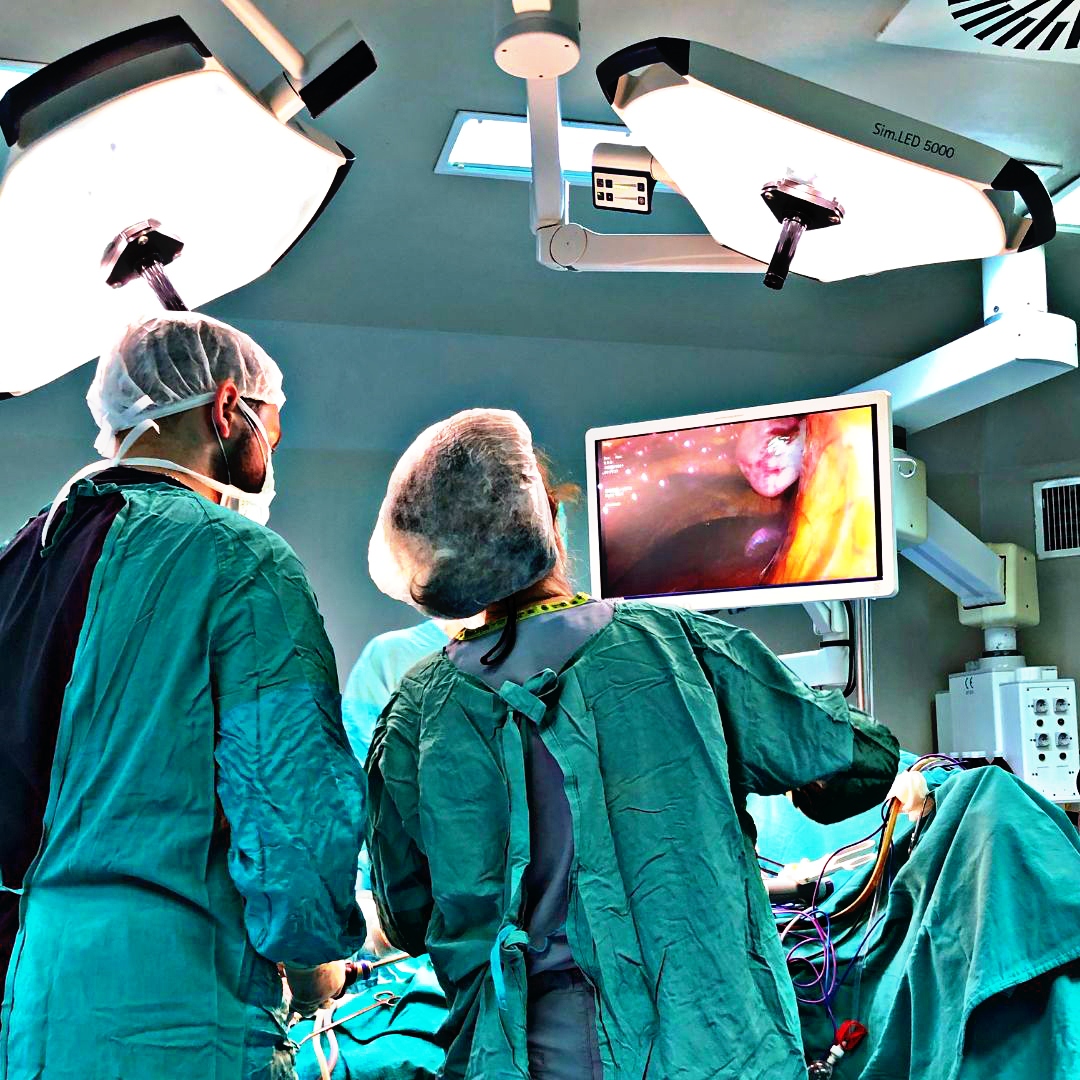
- Role and Responsibilities: The program educates students on the ethical practices, organization, and management of operation theatres. Students learn to handle and maintain surgical equipment, assist doctors and nurses during surgeries, and follow the protocols established by surgeons.
- Skills Development: Students are trained to prepare and sanitize surgical instruments, manage the operation theatre environment, and support the surgical team in various types of surgeries, including plastic surgery, general surgery, gynecology, neurosurgery, and urology.
- Technical and Practical Training: The course includes practical training in patient care before and after operations, assisting surgeons and anesthetists, and maintaining hygiene and sterilization standards in the operation theatre.
Career Prospects:
- Job Roles: Graduates can work as OT Technologists, Lab Technicians, OT Assistants, Associate Consultants, and even pursue teaching roles in the field.
- Demand: There is a growing need for professionals in operation theatre management due to increasing medical procedures and advancements in anesthesia and surgical care.
- Future Opportunities: Graduates can advance their careers by pursuing a master’s degree, which can lead to roles in academia or specialized medical positions.
Benefits of the Program:
- Skill Development: The course helps students enhance both technical skills and interpersonal abilities through hands-on experience and interaction with medical professionals.
- Career Advancement: Completing this program can lead to high-paying job opportunities in reputed hospitals and healthcare facilities.
- Higher Education: Students may pursue further education and training, such as a master’s degree, to advance their careers or enter teaching and research roles.
Overall, the B.Sc in Operation Theatre Technology offers a comprehensive education for those interested in a dynamic and essential field within healthcare, providing opportunities for both professional growth and career stability.
B.Sc in Operation Theatre Technology: Syllabus
Here is the year-wise syllabus for the B.Sc in Operation Theatre Technology program:
1st Year:
- Physiology
- Biochemistry
- Principles of Management
- Pathology
- Basics of Computer
- Anatomy
2nd Year:
- Medicine Outline
- Clinical Microbiology
- Basic Anaesthetic Techniques
- Applied Anatomy and Physiology
- Clinical Pharmacology
- Principles of Anaesthesia
3rd Year:
- CSSD (Central Sterile Supply Department) Procedures
- Anesthesia for Specialty Surgeries
- Basics of Surgery
- Regional Anaesthetic Techniques
- Medical Ethics
This syllabus provides a comprehensive foundation in both the theoretical and practical aspects of operation theatre technology, preparing students for various roles within the field.
Career Options After B.Sc in Operation Theatre Technology
Graduates of the B.Sc in Operation Theatre Technology program have a variety of career paths and opportunities in the healthcare sector. Here are some potential job prospects and their descriptions:
Employment Areas:
- Hospitals and Healthcare Centers: Key recruiters for operation theatre technologists, with roles in operation theatres, emergency departments, and ICUs.
- Private and Government Hospitals: High chances of employment in private hospitals and nursing homes, with opportunities for government positions as well.
Job Profiles and Average Salaries:
- Description: Responsible for maintaining and handling laboratory equipment and conducting tests.
- Average Salary: ₹2 lakhs - ₹3 lakhs per annum
Lab Technician
- Description: Provides the correct level and dosage of anesthesia to patients during surgery.
- Average Salary: ₹3 lakhs - ₹4 lakhs per annum
Anesthetist Consultant
- Description: Teaches and trains students in the field of operation theatre technology.
- Average Salary: ₹6 lakhs - ₹7 lakhs per annum (may require a master's degree)
Teacher / Lecturer
- Description: Provides specialized consulting services related to operation theatre procedures and patient care.
- Average Salary: ₹5 lakhs - ₹6 lakhs per annum
Associate Consultant
- Description: Maintains and prepares operation theatre rooms and surgical equipment before surgeries.
- Average Salary: ₹2 lakhs - ₹3 lakhs per annum
OT Technician
Further Education and Career Growth:
- Master’s Degree: Pursuing a master’s degree can open up opportunities for advanced roles, including teaching and specialized consulting.
- Specialization: Opportunities to specialize in areas such as anesthesia technology or surgical procedures.
The B.Sc in Operation Theatre Technology equips graduates with the necessary skills and knowledge to excel in various roles within the healthcare industry, offering a promising career with opportunities for growth and advancement.
B.Sc in Operation Theatre Technology: Admission Process
The admission process for the B.Sc in Operation Theatre Technology typically involves the following steps:
Entrance Examination:
- Admission is primarily based on the scores obtained in the entrance examination conducted by the college or university.
Online Application:
- Visit the College Website: Access the official website of the college or university offering the course.
- Sign-In and Verification: Complete the sign-in process and verify your mobile number and email address.
- Login: After successful registration, log in using your credentials.
- Complete the Application Form: Fill out the online application form with the required details.
- Upload Documents: Upload necessary educational certificates, including mark sheets, admit cards, and migration certificates (if applicable).
- Pay Application Fees:
- Online Payment: Pay the application fees using a debit card, credit card, or net banking.
- Offline Payment: Alternatively, payment can be made through a demand draft.
- Submit Application: After completing the form and payment, submit the application form.
Additional Requirements:
- Ensure that all admission requirements, such as minimum marks and age criteria, are met before applying.
- Keep an eye on important dates related to the release of admission forms and examination schedules.
This process ensures that all candidates are evaluated based on their entrance exam performance and meet the necessary criteria for admission.