BSc Radiotherapy Technology Course Details College Details
B.Sc. in Radiotherapy: Course Overview, Admission, Syllabus, Top Colleges, Jobs, and Scope
Course Overview
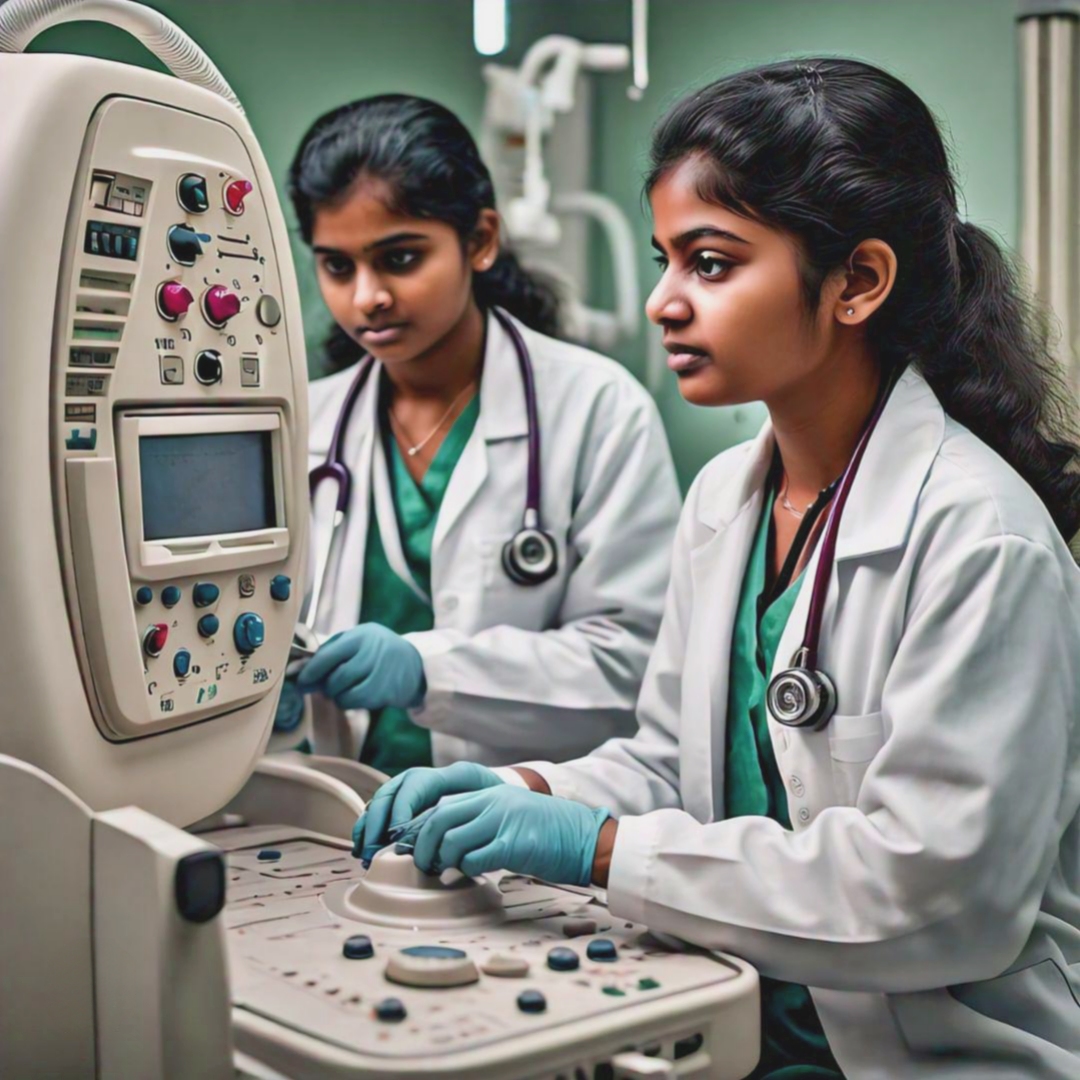
A Bachelor of Science in Radiotherapy is a specialized undergraduate program that focuses on the application of radiation in the treatment of cancer and other diseases. The course trains students in the principles of radiation therapy, patient care, and the operation of radiotherapy equipment. Typically lasting 3 to 4 years, the program includes both theoretical knowledge and practical experience in clinical settings.
Key Objectives of the Course
- To understand the principles of radiation physics and biology.
- To learn about the treatment planning and administration of radiation therapy.
- To gain practical skills in operating radiotherapy equipment.
- To develop patient care and communication skills in a clinical environment.
Admission Process
- Candidates should have completed 10+2 in the Science stream (Physics, Chemistry, and Biology) from a recognized board.
- A minimum aggregate score of 50% is generally required.
Eligibility Criteria:
- Merit-Based: Many colleges offer admission based on the candidate’s performance in their 10+2 examinations.
- Entrance Exams: Some universities may require candidates to pass specific entrance exams, such as NEET, for admission.
Admission Procedure:
- Students should visit the college or university website for the application process, including necessary documents and important dates.
Application Process:
Syllabus
The syllabus for a B.Sc. in Radiotherapy may vary slightly between institutions but generally includes the following core subjects:
Year 1:
- Fundamentals of Radiotherapy
- Human Anatomy and Physiology
- Physics of Radiation
- Principles of Radiation Biology
Year 2:
- Radiotherapy Techniques and Equipment
- Clinical Oncology
- Radiation Safety and Protection
- Patient Care and Management
Year 3:
- Treatment Planning and Quality Assurance
- Advanced Radiotherapy Techniques (e.g., IMRT, IGRT)
- Clinical Practice in Radiotherapy
- Research Methodology in Radiotherapy
Year 4 (if applicable):
- Internship or Clinical Rotations
- Project Work/Dissertation
Top Colleges for B.Sc. in Radiotherapy
- All India Institute of Medical Sciences (AIIMS), New Delhi
- Tata Memorial Hospital, Mumbai
- Post Graduate Institute of Medical Education and Research (PGIMER), Chandigarh
- Jawaharlal Nehru Medical College, Wardha
- SRM University, Chennai
- KLE University, Karnataka
Job Opportunities
Graduates with a B.Sc. in Radiotherapy can pursue various job roles in healthcare settings, particularly in oncology. Some potential job profiles include:
- Radiotherapy Technologist
- Radiation Therapist
- Medical Physicist (with further studies)
- Clinical Research Associate
- Radiation Safety Officer
- Dosimetrist (with additional training)
- Oncology Nurse (with additional qualifications)
Scope and Career Prospects
The scope for graduates in Radiotherapy is broad, given the increasing incidence of cancer and advancements in treatment techniques. They can find opportunities in:
- Hospitals and Cancer Treatment Centers: Providing radiotherapy services and patient care.
- Research Institutions: Engaging in clinical trials and research on new radiation techniques.
- Education and Training: Teaching roles in colleges and training institutes.
As technology in radiotherapy continues to evolve, professionals with up-to-date skills and knowledge will be in high demand. Graduates may also consider pursuing higher studies (e.g., M.Sc. or specialized certifications) to enhance their career prospects.
Salary Expectations
- The average salary for a fresh graduate in Radiotherapy may range from INR 3,00,000 to INR 6,00,000 per annum.
- With experience and additional qualifications, professionals can earn between INR 7,00,000 and INR 12,00,000 per annum or more, depending on their role and organization.
Conclusion
A B.Sc. in Radiotherapy equips students with essential skills and knowledge to support cancer treatment through radiation therapy. With a growing demand for healthcare professionals in oncology, this field offers promising career prospects and opportunities for further specialization.